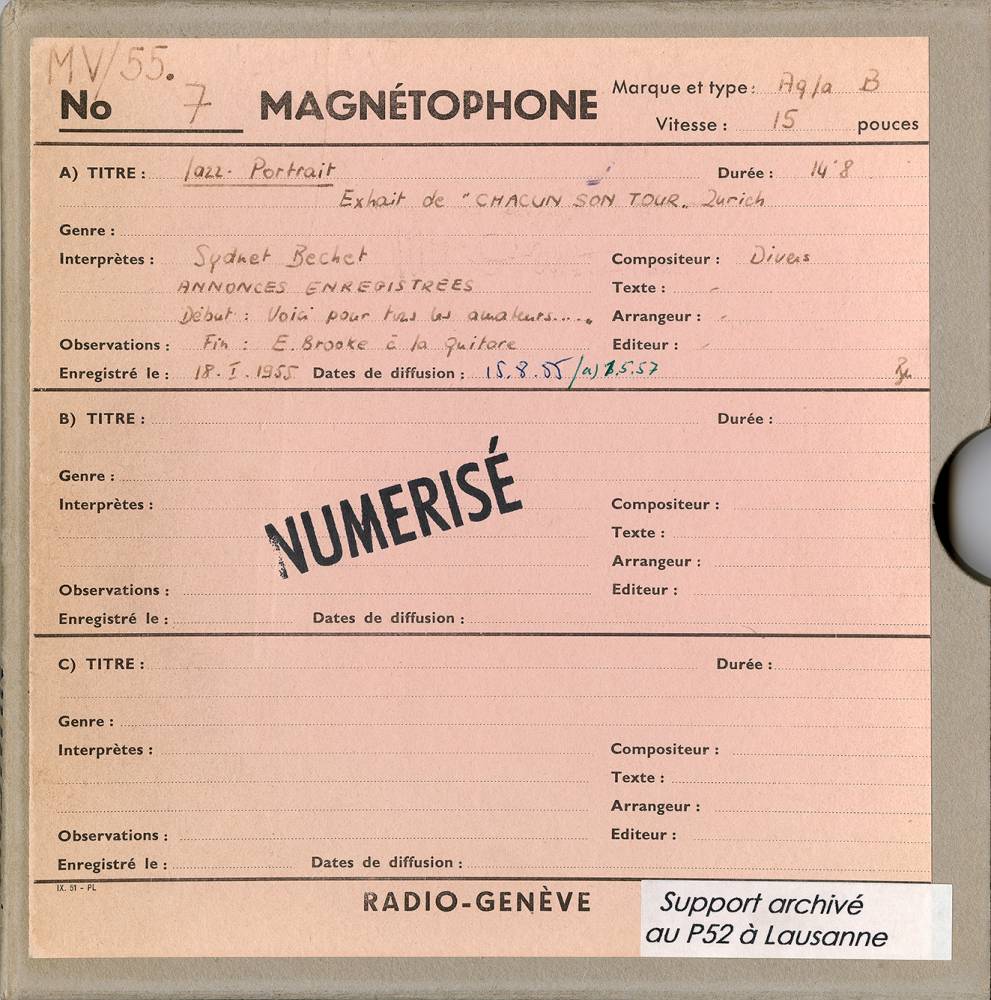
Preserving a sound recording involves far more than simply digitising it. It requires an understanding of the original carrier, its condition, the circumstances in which it was recorded and the technical parameters needed to reproduce it under the best possible conditions.
The United Music Foundation brings together several decades of experience in the preservation, restoration and enhancement of recorded sound, along with specialised equipment capable of handling a wide range of analogue and digital formats.
PRESERVATION AND RESTORATION OF RECORDING MEDIA
Every carrier entrusted to the United Music Foundation is carefully examined before playback. This initial assessment allows us to identify deterioration, evaluate any risks and determine whether treatment is required before the recording can be safely reproduced.
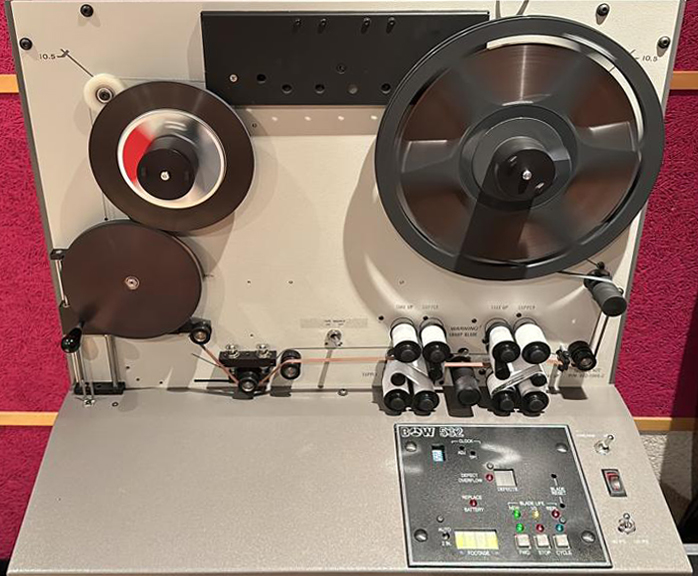
In some cases, attempting playback without prior treatment could cause further damage or even render the carrier permanently unplayable. When necessary, we therefore carry out appropriate preservation measures, which may include:
- examination and assessment of the carrier;
- specialised cleaning;
- treatment of certain forms of magnetic tape deterioration;
- remedial work or repair prior to playback.
Our priority is to protect the original carrier while recovering as much of the recorded content as possible under the safest and most appropriate conditions.
HIGH-RESOLUTION PRESERVATION
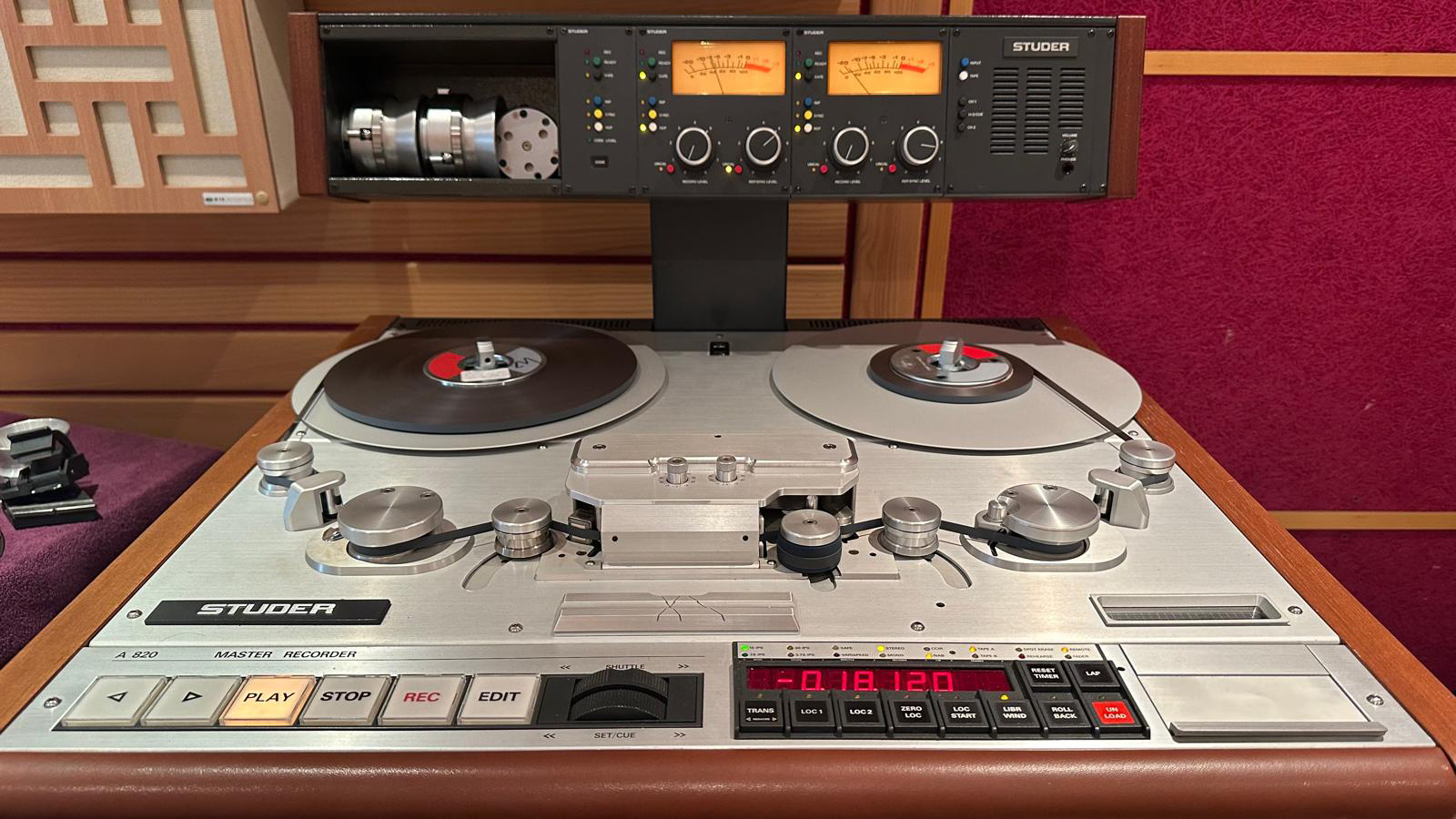
Recordings are played back using professional equipment that is carefully maintained and calibrated.
The United Music Foundation works with a wide range of track configurations, recording speeds and equalisation standards to ensure that each recording is reproduced under the conditions best suited to its original characteristics.
Analogue recordings are preserved in high-resolution digital form, at a minimum of 24 bits / 96 kHz.
CURRENTLY SUPPORTED FORMATS
Analogue magnetic tape
- ¼″ (6,35 mm)
Mono, Stereo (2 mm / 0,75 mm) and various multitrack configurations
CCIR, NAB, AES and NagraMaster | 3.75 – 7.5 – 15 – 30 ips - ½" (12,7 mm)
Stereo, 3, 4 and 8 tracks
CCIR, NAB and AES | 7.5 – 15 – 30 ips - 1" (25,4 mm)
4 and 8 tracks
CCIR, NAB and AES | 7.5 – 15 – 30 ips - 2" (50,8 mm)
16 and 24 tracks
CCIR, NAB and AES | 7.5 – 15 – 30 ips
Other formats
- Audio cassette
1⅞ and 15/16 ips - DAT
32 - 44.1 - 48kHz | 16 bits - ADAT
- DTRS