Once a recording has been safely preserved, audio restoration can be carried out where necessary.
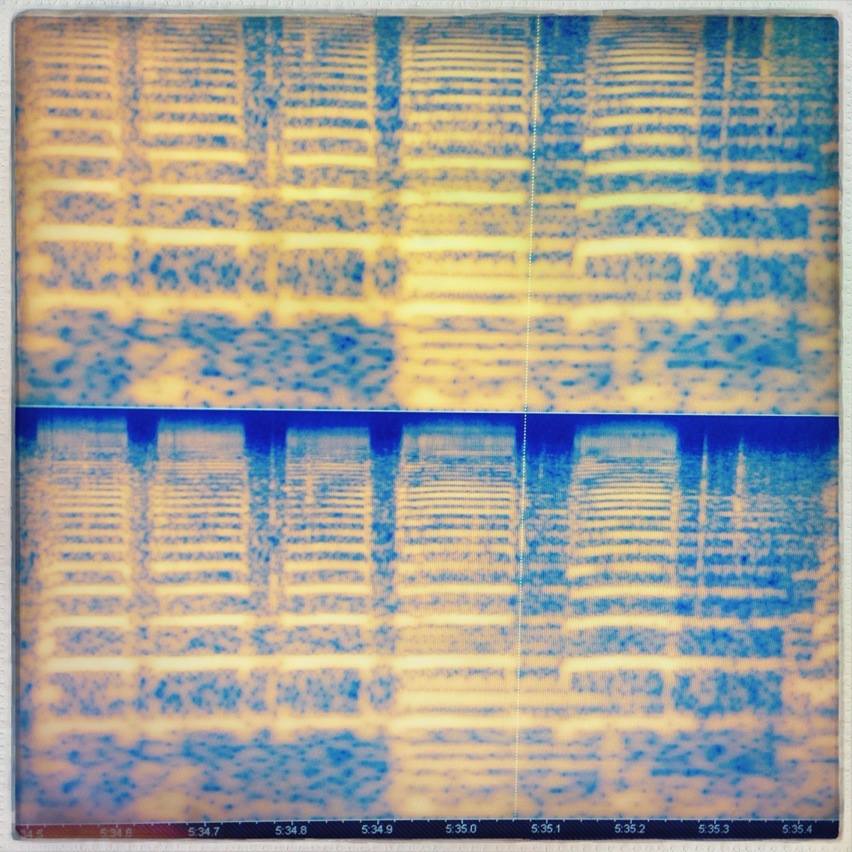
Depending on the condition of the recording, specialised tools may be used to:
- reduce unwanted background noise;
- remove or attenuate clicks, interference and other localised defects;
- reduce certain forms of distortion;
- correct phase problems;
- restore stereo imaging;
- compensate for certain speed variations;
- apply spectral corrections.
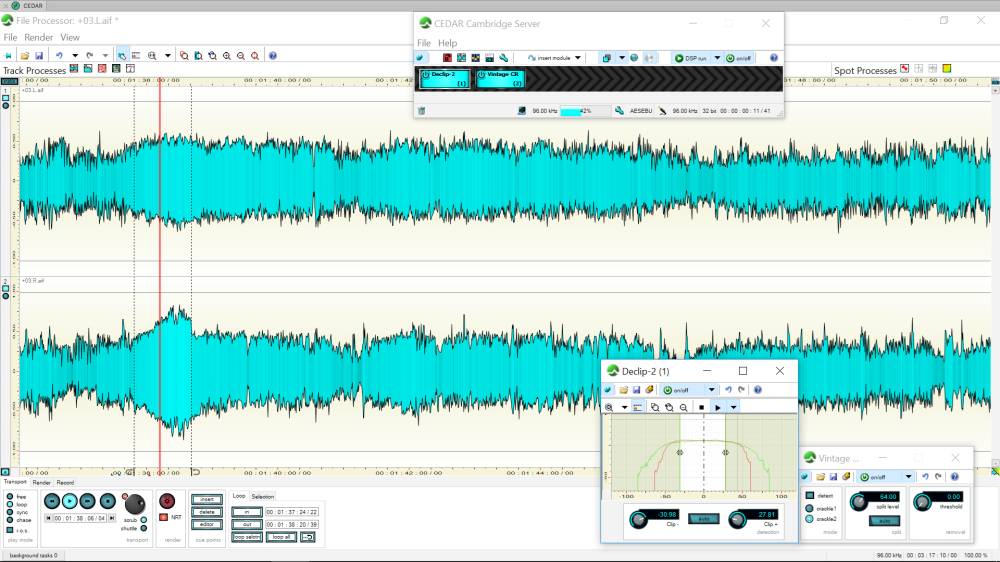
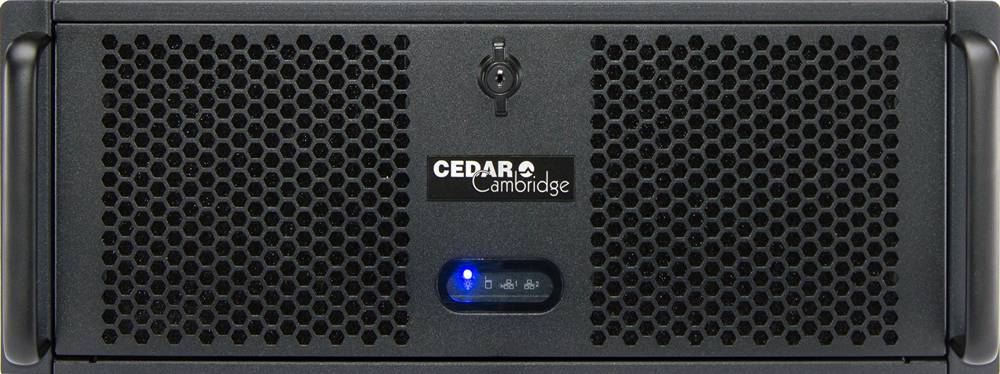
Among the specialised tools used by the United Music Foundation is a CEDAR Cambridge system, specifically developed for professional audio restoration.
The restoration process respects the characteristics of the original recording. The aim is not to alter it, but to improve its clarity, balance and listening experience while preserving its artistic and historical integrity.